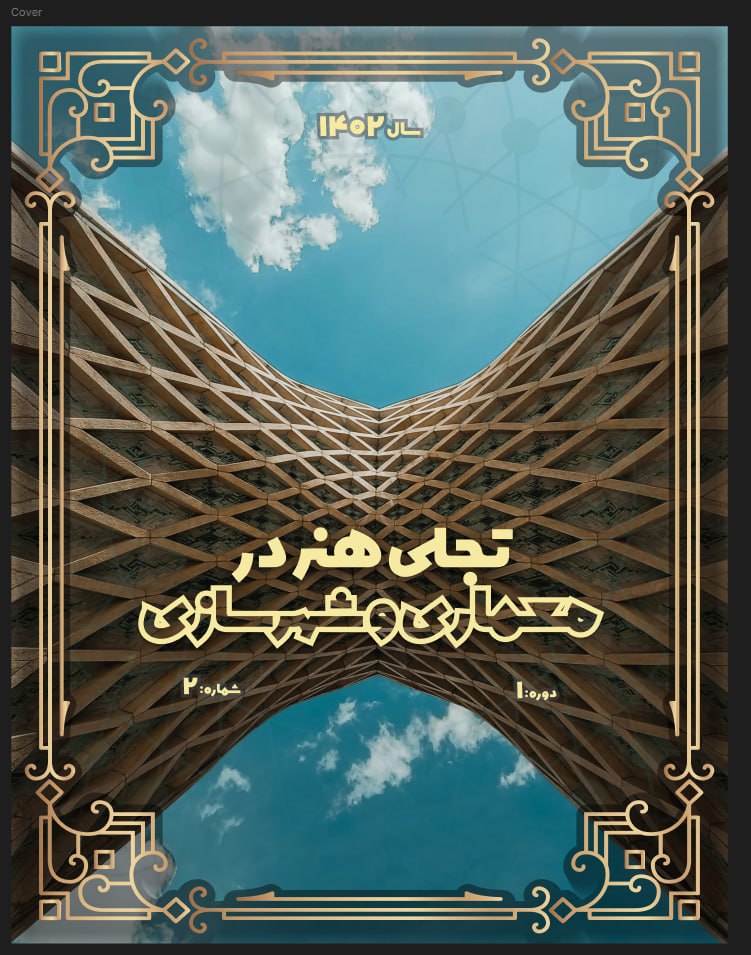
حس، فرم، معنا: بازتعریف سنت در آموزش معماری از طریق مدل سهسطحی سانتایانا
کلمات کلیدی:
سانتایانا, معماریسنتیایران, زیباییشناسیحسی, زیباییشناسینمادین, آموزشمعماریچکیده
آموزش معماری معاصر در ایران با گسست عمیق از سنت زیباییشناختی داخلی روبهروست؛ چالشی ریشهدار در پذیرش بیبازخورد الگوهای غربی مدرنیست. در این فضای دوگانه، پرسشی بنیادین مطرح میشود: آیا معماری سنتی ایران، بدون آگاهی از فلسفه زیباییشناسی غرب، ساختاری زیباییشناختیِ غنی و سهبعدی از خود ارائه میدهد؟ این پژوهش با رویکرد تحلیلی-تفسیریِ ترکیبی و بر پایه تحلیل تطبیقیِ موردی، به بررسی این فرضیه میپردازد که معماری سنتی ایران، بهطور ضمنی، همان سه سطح زیباییشناختیِ تعریفشده توسط جرج سانتایانا (حسی، فرمی، نمادین) را در عمل پیاده کرده است، حتی پیش از ظهور این مدل در غرب. دادهها از دو منبع استخراج شدهاند: (۱) متون نظری شامل آثار سانتایانا، کانت، پالاسما، بومه، زومتور و نظریهپردازان ایرانی؛ و (۲) نمونههای معماری واقعی شامل حیاط مسجد شیخ لطفالله در اصفهان، گنبد سلطانیه در زنجان و باغ فین در کاشان. تحلیل دادهها با روش تحلیل محتوای کیفیِ سهمرحلهای (کدگذاری باز، محوری، انتخابی) انجام شده است. یافتههای کلیدی نشان میدهد که: (۱) در حیاط ایرانی، سطح حسی از طریق گرمای سنگ، صدای آب و نور پراکنده تجربه میشود؛ (۲) سطح فرمی در تناسبات هندسی، تقارن محوری و ریتم فضایی آشکار میگردد؛ (۳) سطح نمادین نیز در حس آرامش، تعلق به مکان و ارتباط با معنویت تجلی مییابد. این سه سطح، نه جداگانه، بلکه در تعامل پویا، فضایی «زنده» خلق میکنند؛ فضایی که با آنچه سانتایانا «تجربه کامل زیباییشناختی» توصیف کرده همخوانی دارد. نتایج نشان میدهد که سانتایانا نه الگویی برای وارد کردن به آموزش معماری ایران، بلکه لنزی برای صریحسازیِ دانش ضمنیِ ایرانی است. این دیدگاه، رویکردی برای «بازگشت به سنت بدون تقلید» ارائه میدهد.
دانلودها
مراجع
1. Hojjat M. Tradition in architecture: Both authentic and up-to-date. Abadi. 2007(54):128-33.
2. Namazifard H. Examining the transformations of contemporary Iranian architecture across different periods in terms of attention to past architecture. 2017.
3. Frampton K. Towards a Critical Regionalism: Six Points for an Architecture of Resistance. In: Foster H, editor. The Anti-Aesthetic: Bay Press; 1983. p. 16-30.
4. Kant I. Critique of Judgment. Pluhar WS, editor. United States: Hackett Publishing; 1987.
5. Saito Y. Aesthetics of Care: Practice in Everyday Life. London: Bloomsbury; 2022.
6. Leatherbarrow D. Architecture Oriented Otherwise. United States: Princeton Architectural Press; 2009.
7. Pallasmaa J. Encounters 2: Architectural Essays. Helsinki: Rakennustieto Publishing; 2013.
8. Böhme G. Atmospheric Architectures: The Aesthetics of Felt Spaces. London: Bloomsbury Academic; 2017.
9. Zumthor P. Thinking Architecture. 3rd expanded ed. Basel: Birkhäuser; 2010.
10. Hojjat M. Identity in architecture: An acquaintance for the bird of the celestial garden. Ayandeh-ye Khial. 2008(9).
11. Salahi E. Symbolic and formal aesthetics in architecture and its relationship with the human psyche. National Conference on Architecture, Culture, and Urban Management; Karaj2013.
12. Biglarian F. Examining the principle of symmetry in the facades of mosques in Iranian Islamic architecture: Case studies of Sheikh Lotfollah, Seyed, Hakim, Imam, and Jameh Mosques of Isfahan. National Conference on Iranian-Islamic Architecture and Urbanism; Rasht2015.
13. Saremi H, Anamnam M. Decoding geometry and proportions in Iranian architecture. National Conference on Architecture, Civil Engineering, and Modern Urban Development; Tabriz2014.
14. Akhavat H. Conceptual, functional, and aesthetic analysis of environmental elements of water and plants with emphasis on the physical aspect of Persian gardens. Environmental Science and Technology. 2014(4).
15. Mabhout M, Alizadeh Ghannad N. The concept of the dome as a symbol of unity and spirituality in Islamic architecture. International Conference on Architecture, Urbanism, Civil Engineering, Art and Environment: Future Horizons, Looking to the Past2015.
16. Pirnia MK. An Introduction to Islamic Architecture of Iran. Tehran: Cultural Heritage Organization Publications; 2000.
17. Wilber DN. The Architecture of Islamic Iran: The Il Khanid Period. United States: Princeton University Press; 1969.
18. Hosseini SM. Soltaniyeh Dome: A Masterpiece of Iranian Architecture. Zanjan: University of Zanjan Press; 2006.
19. Valizadeh N. Persian Gardens: From Pars to Qajar. Tehran: University of Tehran Press; 2011.
20. Strauss A, Corbin J. Basics of Qualitative Research: Techniques and Procedures for Developing Grounded Theory. Thousand Oaks, CA: Sage Publications; 1998.
21. Lawson B, Dorst K. Design Expertise. Abingdon: Routledge; 2015.
22. Lincoln YS, Guba EG. Naturalistic Inquiry. Beverly Hills, CA: Sage Publications; 1985.
23. Santayana G. The Sense of Beauty. United States: Scribner's Sons; 1896.
24. Hill J. Actions of Architecture: Architects and Creative Users. London: Routledge; 2003.
دانلود
گاهشمار انتشار
- ارسال
- بازنگری
- پذیرش
شماره
نوع مقاله
مجوز
حق نشر 2025 Marjan Tehranchipour (Author); Ali Asgharzadeh; Amir Hashempour Mafi (Author)

این پروژه تحت مجوز بین المللی Creative Commons Attribution-NonCommercial 4.0 می باشد.