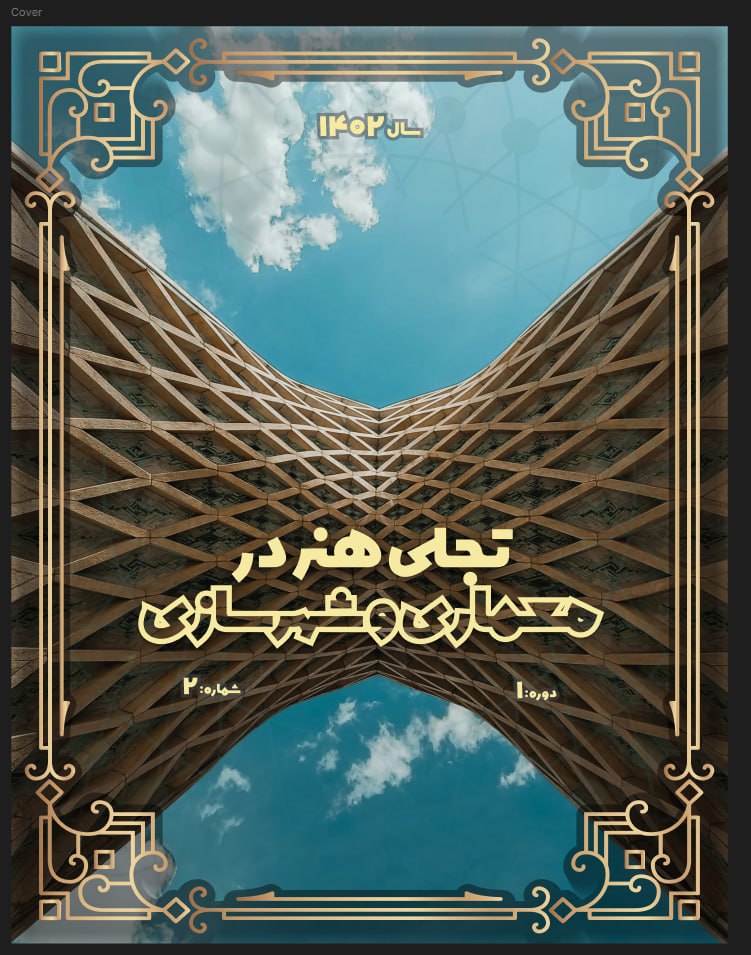
نقش و تأثیر سازماندهی فضایی بر تغییرات محصوریت کالبدی خانههای مشهد در دوره انتقال
کلمات کلیدی:
محصوریت کالبدی, سازماندهی فضایی, خانه, مشهد, دوره انتقالچکیده
تحولات سیاسی، اجتماعی و فرهنگی مشهد در گذار از دوره قاجار به پهلوی، دگرگونیهای عمیقی در شیوههای زیست، ارزشهای اجتماعی و الگوهای سکونت شهری ایجاد کرد. این تحولات، بازتاب مستقیمدر معماری مسکونی داشت و موجب تغییر در سازماندهی فضایی خانهها و درک محصوریت کالبدی آنها شد. از آنجا که سازمان فضایی یکی از مؤلفههای اصلی شکلدهنده محصوریت در معماری ایرانی به شمار میرود، بررسی تغییرات آن در بستر تاریخی ضرورتی اساسی دارد. پژوهش حاضر با تکیه بر نظریه نحو فضا به تحلیل تطبیقی خانههای دوره قاجار و پهلوی در مشهد میپردازد تا به هدف اصلی پژوهش که تبیین رابطه میان الگوی سازمان فضایی و ادراک محصوریت کالبدی در خانههای دوره انتقال مشهد می باشد، دست یابد. و بر این اساس، پژوهشگران در پی پاسخگویی به این پرسش هستند که: سازمان فضایی خانههای مشهد در دوره انتقال چه نقشی در شکلگیری و تحولات محصوریت کالبدی دارد؟ پژوهش حاضر با رویکرد توصیفی– تحلیلی و بهرهگیری از دادههای کمی انجام شده است. اطلاعات از نقشههای معماری چهارده باب خانه تاریخی، منابع اسنادی و مشاهدات میدانی گردآوری و سه شاخص فضایی شامل عمق، ارتباط و همپیوندی با استفاده از نرمافزارهای تحلیل فضایی محاسبه شدهاند. یافتهها نشان میدهند خانههای قاجاری با عمق فضایی زیاد و همپیوندی اندک، ساختاری درونگرا و محصور دارند، درحالیکه خانههای دوره پهلوی با کاهش عمق و افزایش همپیوندی، به سمت سازمان فضایی بازتر و محصوریت کمتر میل داشتهاند. نتایج پژوهش بیانگر آن است که تحول در شاخصهای فضایی، بازتابی از تغییر ارزشها و سبک زندگی در هر دوره تاریخی است. بازخوانی این الگوها میتواند در مرمت معماری تاریخی و الهامبخشی برای طراحی معاصر مؤثر واقع شود.
دانلودها
مراجع
1. Amirkhani A, Rafieian M. The Perceived Spatial Enclosure in Urban Spaces. Urban Design. 2017.
2. Mousavi S, Tabassi M, Mehdizadeh Seraj F. Reading the Spatial Organization of House Architecture in Mashhad During the Transition Period with Emphasis on the Concept of Privacy: Islamic Azad University, Mashhad Branch, Faculty of Art and Architecture; 2022.
3. Parhizkari Z, Vasegh B, Salehi Marzijarani S, Teymouri M. Analysis of Architectural Patterns of Rural Areas of Ilam Province in the Spatial Organization of Houses in Western Iran. Islamic Art Studies. 2025;22(58):161-85.
4. Naseri Azghandi H, Tabassi M, Rezaei H. Identifying the Relationship Between Privacy and Changes in the Spatial Organization of Houses in Birjand During the Transition Period. Haft Hesar Environmental Studies. 2023;11(45):71-88.
5. Rapoport A. The Nature of the Courtyard House: A Conceptual Analysis. Traditional Dwellings and Settlements Review. 2007:57-72.
6. Lang JT. Creating Architectural Theory: The Role of the Behavioral Sciences in Environmental Design. New York: Van Nostrand Reinhold; 1987.
7. Montgomery J. Making a City: Urbanity, Vitality and Urban Design. Urban Studies. 1998;35(5-6):931-60.
8. Habibi SM, Maghsoudi M. The Space Syntax of Traditional Iranian Houses. Journal of Iranian Architecture Studies. 2002;3(1):25-39.
9. Bonyadi N. Transformation of Urban Conservation. Iran Architectural Repository. 2012.
10. Mousavi Nasab M, Taghvaei V, Mazhari ME. Analysis of the Andaruni-Biruni Pattern as a Hidden Spatial System Using the Space Syntax Method in Late Qajar and Early Pahlavi Houses in Behbahan. Culture of Architecture and Urbanism Quarterly. 2021(9):375-93.
11. Ahouei S, Ahmadi Disfani Y, Kalantari Khalilabad H. Re-Identification of the Identity of Traditional Iranian Houses Based on Physical, Social, and Cultural Identity-Making Elements. Islamic Art Studies. 2021;18(41):45-68.
12. Mousavi S, Tabassi M, Seraj FM. Reading the Architectural Spatial Organization of the Houses of Mashhad During the Transition Period, Emphasizing the Concept of Privacy. Creative City Design. 2022;5(3):43-60.
13. Kiani Y, Shaterian B. Reading the Architectural Spatial Organization of the Houses of Mashhad During the Transition Period, Emphasizing the Concept of Privacy. Iranian Journal of Architecture. 2022;10(2):45-62.
14. Groat LN, Wang D. Architectural Research Methods: John Wiley & Sons; 2013.
15. Rapoport A. House Form and Culture: Prentice-Hall; 1969.
16. Nasar JL. Environmental Aesthetics: Theory, Research, and Applications: Cambridge University Press; 1988.
17. Ewing R, Handy S. Measuring the Unmeasurable: Urban Design Qualities Related to Walkability. Journal of Urban Design. 2009;14(1):65-84.
18. Stamps AE. Enclosure and Safety in Urbanscapes. Environment and Behavior. 2005;37(1):102-33.
19. Gehl J. Cities for People: Island Press; 2013.
20. Rapoport A. Human Aspects of Urban Form: Pergamon Press; 1977.
21. Mousavi S, Tabassi A, Seraj A. Privacy in the Houses of Eastern Parts of Iran During the Transition Period with an Emphasis on the Architecture of Housing Entrances. Creative City Design. 2020;3(3):1-18.
22. Hillier B, Hanson J. The Social Logic of Space. Cambridge: Cambridge University Press; 1984.
23. Ziari K, Istgeldi M, Abbaszadeh G. Measuring Factors Affecting Social Capital in the Central Fabric of Mashhad. Geography and Regional Development. 2013;11(21):247-74.
24. Haeri Mazandarani M. The Role of Space in Iranian Architecture. Tehran: Cultural Research Bureau; 2009.
25. Norberg-Schulz C, Shirazi M. Genius Loci: Towards a Phenomenology of Architecture. Tehran: Rokhdad-e Now; 2009.
26. Taheri Sarmad F, Karami A. Analysis of the Hierarchy of Privacy in Traditional Iranian Houses Based on Plan Structure with a Space Syntax Approach. Armanshahr. 2024(47):17-31.
27. Ebrahimi S, Eslami SG. Iranian Architecture and Urban Planning in the Transition Period. Hoviat-e Shahr. 2009;4(6):3-14.
28. Rapoport A, Afzalian K. Anthropology of Housing. Tehran: Herfeh Honarmand Publications; 2009.
29. Hasani M, Parva M, Heidari AA. Analysis of Transparency in Qajar Houses Using the Space Syntax Model: Case Study of Historical Houses of Tabriz. Islamic Art Studies. 2023;20(50):161-85.
30. Altman I. The Environment and Social Behavior. Monterey, California: Brooks/Cole; 1975.
31. Bafna S. Space Syntax: A Brief Introduction to Its Logic and Analytical Techniques. Environment and Behavior. 2003;35(1):17-29.
دانلود
گاهشمار انتشار
- ارسال
- بازنگری
- پذیرش
شماره
نوع مقاله
مجوز
حق نشر 2026 Fatemeh Cheraghchi Masjedi (Author); Mohsen Tabassi; Vahid Ahmadi (Author)

این پروژه تحت مجوز بین المللی Creative Commons Attribution-NonCommercial 4.0 می باشد.