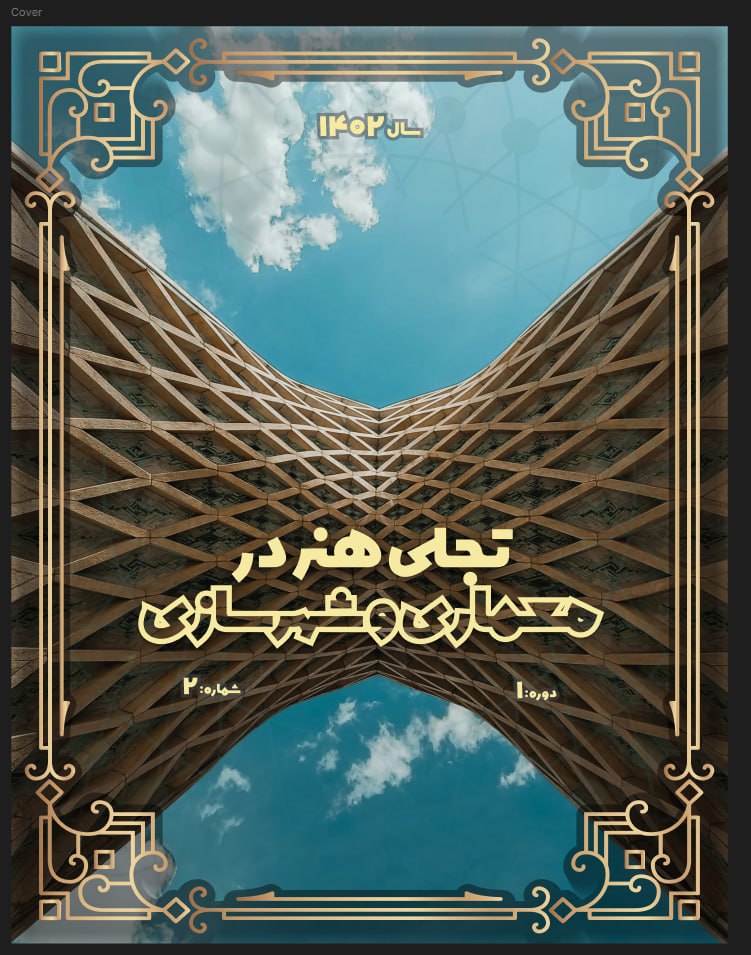
بهرهمندی از اقلیم و محیط بر نوآوری هنری (با تکیه بر هنر منطقه کوزهکنان)
کلمات کلیدی:
کوزه کنان, سفال, سفالگری, نقوشچکیده
وضع جغرافیایی در هر هنری که سابقهای طولانی در سرزمینی دارد، بهعنوان یکی از عوامل مهم و تأثیرگذار شناخته میشود. هنر، زادهی نیازهای عملی و معنوی انسان است و وجود منابع طبیعی نقش بسزایی در شکلگیری و رشد آن دارد. کوزهکنان، منطقهای تاریخی در استان آذربایجان شرقی و در فاصلهی ده کیلومتری شهر شبستر است. این منطقه مهد هنر سفالگری بوده و از گذشتههای دور، این صنعت بهصورت خانوادگی و حرفهای در آن رواج داشته است. روش تحقیق در این پژوهش، توصیفی–تحلیلی است و گردآوری اطلاعات به شیوهی کتابخانهای و میدانی انجام گرفته است. دادهها از طریق مشاهدهی مستقیم، بازدید از کارگاهها و محوطههای سفالگری، بررسی آثار کشفشده و تولیدات معاصر، و نیز مراجعه به اسناد و منابع میراث فرهنگی شبستر گردآوری شدهاند. هدف از این پژوهش، شناخت هنر سفالگری در منطقهی کوزهکنان، یکی از نواحی شهرستان شبستر در استان آذربایجان شرقی است؛ منطقهای که با وجود پیشینهی غنی خود، در مقایسه با سایر شهرهای سفالخیز کشور کمتر مورد توجه قرار گرفته است. یافتههای این پژوهش نشان میدهد که هنر سفالگری در کوزهکنان در مسیر کاربردهای روزمره و به طبیعیترین شکل ممکن به حیات خود ادامه داده است. تولید سفال در این منطقه بهصورت خودجوش، بر اساس نیازها و سلیقههای مردم انجام میگرفت و تنوع در شکل و کاربرد ظروف، نشان از پویایی و گستردگی این هنر دارد. استادکاران مجرب در کارگاههای سنتی کوزهکنان، سفالگری را نه تنها بهعنوان یک شغل بلکه بهعنوان بخشی جداییناپذیر از زندگی خود میدانستند. ظروف سفالی تولیدشده در این منطقه، بیانگر غنای مواد اولیه، دقت در انتخاب مصالح و ظرافت دست هنرمندان آن است؛ آثاری که با سادگی، طبیعی بودن و اصالت خود، جلوهای خاص به هنر محلی بخشیدهاند. بررسی سفالهای کشفشده از دوران گذشته نیز نشان میدهد که همانند دیگر مراکز سفالگری شمالغرب ایران، از نقشمایههای گیاهی، حیوانی و هندسی در تزئینات استفاده میشده است، با این تفاوت که بیشتر سفالهای کوزهکنان ساده، بیلعاب و با کارکردهای کاربردی ساخته شدهاند.
دانلودها
مراجع
1. Pope AU, Ackerman P. A Survey of Persian Art from Prehistoric Times to the Present2008.
2. Seif Naraghi M, Adari E. Research Methods and Evaluation in Humanities2012.
3. Khodabakhsh MH. Identification of Pottery Raw Materials by Extrusion Method2003.
4. Rafiei L. Pottery of Iran, from the Prehistoric Period to the Present Era1999.
5. Gorjestani S. Teaching the Art and Technique of Pottery and Ceramics2000.
6. Read H. The Meaning of Art1992.
7. Yavari H. Pottery and Ceramics Making2005.
8. Watson O. Persian Lustre Ware2005.
9. Hamawi YiAA. Dictionary of Countries1977.
10. Clavijo RGd. Travelogue (Embassy to Tamerlane)1965.
11. Fazlullah Hamadani Ra-D. Waqf-Nameh of the Rab'-e Rashidi (Endowment Document of the Rab'-e Rashidi)1971.
12. Kiyani M. Pottery of Iran from Origin to Construction Stages2008.
13. Moslemizadeh M. The Impact of Geographical Factors on Art2014.
14. Hohenegger A. Symbols and Signs2005.
15. Kambakhsh Fard S. Pottery and Potterymaking in Iran2024.
16. Fehérvári G. Pottery of the Islamic World2009.
17. Lane A. Later Islamic potery Persia, Syria, Egypt, turkey. London: Faber and Faber; 1957.
18. Ebrahimi Nejad Rafsanjani Z, Hosseinabadi Z, Khoubbein Khosh Nazar SR. A Comparative Study of Iranian Kubachi Pottery (Safavid) and Turkish Iznik Pottery (Ottoman). 2017.
19. Dimand MS. A Handbook of Mohammedan Art (Guide to Islamic Arts)1986.
20. Mahjour F. Iran: The Origin of the Pottery Type Known as Kubachi2009.
21. Tohidi F. The Art and Technique of Pottery1999.
22. Ataei Salehi E, Ghahramani H, Rah Chamani M. Substitution of Common Alkaline Compounds in the Production Process of Glaze with Salsola Plant and Comparison of Their Effects on Color and Sugar Content. 2013.

دانلود
چاپ شده
ارسال
بازنگری
پذیرش
شماره
نوع مقاله
مجوز
حق نشر 2025 Mohammad Ali Faraji (Author); Manijeh Sadri; Farzaneh Farrokh Fakhr, Masomeh Gharadaghi (Author)

این پروژه تحت مجوز بین المللی Creative Commons Attribution-NonCommercial 4.0 می باشد.