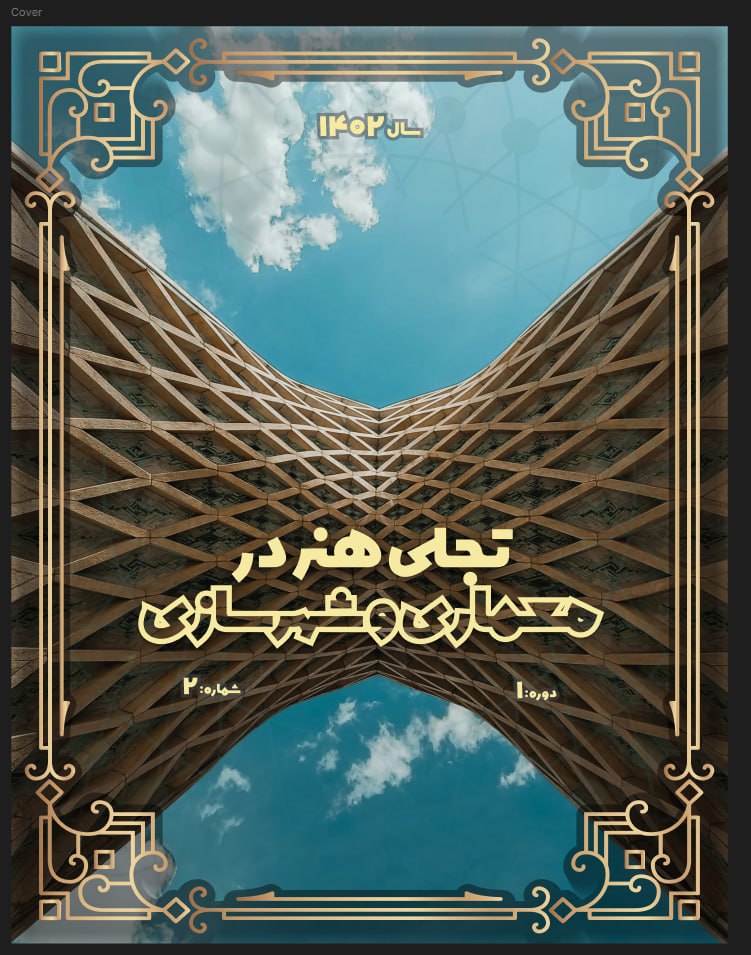
بهکارگیری رویکرد «آیکونولوژی» در خوانش تزیینات در معماری (نمونه موردی: نمای خانههای قاجاری تهران)
کلمات کلیدی:
آیکونولوژی, تزیینات قاجاری, هویت معماری, نمای ساختمان, نشانهشناسی معماریچکیده
بحران هویت در معماری معاصر ایران موجب شده است که بازخوانی الگوهای تزیینی در معماری تاریخی، بهویژه دوره قاجار، اهمیتی دوچندان پیدا کند. این پژوهش با بهرهگیری از رویکرد سهسطحی آیکونولوژی پانوفسکی، به تحلیل تزیینات نمای چهار خانه شاخص قاجاری در تهران—خانه دبیرالملک، قوامالدوله، کوچه فیروزکوهی و امامجمعه—میپردازد. دادهها از طریق مشاهده میدانی، مستندسازی تصویری و تحلیل کیفی گردآوری شدهاند. یافتهها نشان میدهد که تزیینات قاجاری نه صرفاً عناصر زیباشناختی، بلکه شبکهای از نشانههای فرهنگی، تاریخی و اجتماعیاند. کدگذاری باز و محوری، سه مؤلفه کلیدی «زیبایی و هویت»، «تأثیر و تخیل» و «تغییر و تداوم» را آشکار ساخت. این مؤلفهها در ادامه به یک الگوی مفهومی برای طراحی نما در معماری معاصر ترجمه شدند. نتایج پژوهش نشان میدهد که بازتولید هویت ایرانی، نه با تقلید صوری گذشته، بلکه با استخراج منطق معنایی و نشانهشناختی تزیینات تاریخی امکانپذیر است.
دانلودها
مراجع
1. Kazemi S. Cultural Influences on Qajar Architecture: A Study of Historic Houses. Journal of Islamic Architecture. 2016;5(1):24-36.
2. Alizadeh M. Analyzing Symbolism in Qajar Architectural Decorations. Journal of Art and Architecture. 2021;14(2):47-58.
3. Amini M, Paknia A. Qajar Architecture: A Link between Culture and Art. Journal of Art and Architecture. 2020;4(1):25-45.
4. Khosravi S. Cultural Identity and Architecture: The Case of Qajar Houses. International Journal of Architectural Heritage. 2018;12(3):345-60.
5. Panofsky E. Meaning in the Visual Arts. Chicago: University of Chicago Press; 1955.
6. Ashtiani F. Iconography in Persian Art: A Study of Qajar Architecture. Journal of Iranian Studies. 2013;5(2):45-62.
7. Rezai N, Hamdani S. Urban Development and Social Transformations in the Qajar Era. Journal of Social Research. 2023;10(3):64-78.
8. Hosseini M. The Impact of Social Environment on the Architecture of Qajar Houses: A View on Collective Identity. Journal of Sociology and Architecture. 2023;8(2):92-102.
9. Shafiei N, Zahedi M. Aesthetic and Decorative Elements in Qajar Houses: Case Study of Dabiralmolk House. Journal of Art History. 2021;19(2):73-85.
10. Moghadam AR. Social and Political Architecture during the Qajar Era: The Role and Influence of Key Figures. Journal of Iranian History. 2022;11(3):88-97.
11. Koosha A. Interaction between Humans and Nature: Symbolism in Qajar Architectural Decorations. Journal of Art Research. 2020;14(1):39-50.
12. Hosseini M. Mirror Work: Transforming Spaces in Qajar Architecture. Journal of Iranian Architecture. 2022;18(1):88-99.
13. Erfani S. The Influence of Social Changes on Architectural Identity: A Study of Historic Contexts. Journal of Architectural Research. 2021;16(4):90-105.
14. Masoudi A. Application of Semiotics in Analyzing Identity in Iranian Architecture. Journal of Cultural Studies in Architecture. 2022;18(2):105-25.
15. Ahmadi M. The Art and Architecture of Qajar Period in Iran. Tehran: University of Tehran Press; 2014.
16. Safai S. Color and Meaning in Qajar Architecture: A Semiotic Approach. Journal of Iranian Architecture. 2021;12(1):27-38.
17. Shafiei N, Zahedi M. Qajar Architecture and Its Impact on Cultural Identity. Journal of Art Studies. 2021;12(3):55-70.
18. Moghadamzad H. Aesthetic and Semantic Directions of Qajar Decorations. Journal of Art and Society. 2023;19(2):43-54.
19. Alizadeh M, Sadat R. Analyzing Colors in Qajar Architectural Decorations: Exploring Meaning and Social Impact. Journal of Art and Architecture. 2021;16(2):49-60.
20. Bakhtiari M, Yousefi F. Identity and Diversity in Islamic and Iranian Architectural Decorations. Journal of Art and Architecture. 2022;11(3):10-25.
21. Azad M. The Role of Decorative Arts in Shaping Iranian Identity. Iranian Journal of Art and Architecture. 2019.
22. Khatibi A. The Architecture of the Qajar Period: A Study of the Cultural and Historical Context: Tehran University Press; 2006.
23. Belting H. An Anthropology of Images: Picture. Medium, Body: Princeton University Press; 2001.
24. Sadeghi S. History and Transformations of Qajar Architecture. National Architecture Quarterly. 2016;2(1):46-50.
25. Panofsky E. Studies in Iconology: Humanistic Themes in the Art of the Renaissance: Harper & Row; 1991.
26. Mohebi J. Semiotic Analysis of Decorations in the Facades of Old Buildings. Journal of Architecture and Social Sciences. 2020;19(5):22-37.
27. Sharifi S. Revitalizing Identity in Decorations of Historical Houses: A Case Study of Dabiralmolk House. Quarterly Journal of Architectural and Urban Research. 2018;5(2):46-60.
28. Abdali S. Identity in Architecture and Social Relations: A Contemporary Exploration. Journal of Iranian Architectural Research. 2021;19(5):90-110.
29. Hosseini M. Environmental Elements and Identity Building in Contemporary Architecture. Journal of Urban Planning. 2023;14(1):50-70.
30. Sadiqi M. Symbolism in Persian Architecture: A Historical Perspective. Journal of Persian Studies. 2010;5(2):45-67.
31. Nikfetrat M, Bitaraf E, Vaziei M, Azizi S, Mousavi H, editors. Representation of Meaning in Architecture Using Umberto Eco's Semiotics Approach. Proceedings of the First National Conference on Iranian-Islamic City; 2018.
32. Pakzad M. Reading Architectural Texts: Towards a New Methodology. Journal of Architectural Studies. 2016;10(2):40-60.
33. Namvar Motlagh M. Art and Architecture of the Qajar Period: Symbolism and Identity. Tehran: University of Art Publications; 2009.
34. Azarnoosh M. Symbolism in Islamic Art: A Comparative Study of Qajar House Decorations. Journal of Arts and Crafts. 2023;15(3):45-55.
35. Nikfetrat M, Bitaraf E. The Impact of Cultural Factors on Native Iranian Architecture from a Sustainability Perspective. Art and Architecture Studies. 2016;4(4/5):11-2.
36. Rahmati N. Architectural Spaces and Collective Memory Reinforcement: Comparing Old and New Cityscapes. Journal of Architecture and Culture. 2022;15(4):55-75.
37. Friedländer S. Early Netherlandish Painting. New Haven: Yale University Press; 2002.
38. Mousavi A. Architectural Transformations during the Qajar Period: Analyzing Iconic Houses. Journal of Architecture and Art Research. 2023;11(4):77-89.
39. Kasegar S, Sohrabzadeh A. Decorations in Private and Public Spaces: Identity and Meaning. Journal of Humanities. 2021;17(1):30-45.
40. Zahedi T, Asoudeh M. Decorations in Iranian Architecture: Between Art and Identity. Journal of Artistic Studies. 2021;9(3):80-92.
41. Salehi S. Decorative Elements in Tehran’s Residential Architecture. Cultural-Artistic Journal. 2023;15(2):31-42.
دانلود
گاهشمار انتشار
- ارسال
- بازنگری
- پذیرش
شماره
نوع مقاله
مجوز
حق نشر 2026 Laleh Hasanzadeh (Author); Mobina Rouhi; Roxana Abdollahi (Author)

این پروژه تحت مجوز بین المللی Creative Commons Attribution-NonCommercial 4.0 می باشد.